
heattransferequipments.com > products > heat exchangers > cooling towers
HEAT EXCHANGERS & COOLING TOWER MANUFACTURER
Heat Transfer Equipment Pvt Ltd.,
HEAT EXCHANGERS
COOLING TOWERS
Water Heat Exchanger
A Water Heat Exchanger is an industrial heat-transfer equipment used to heat or cool water by transferring thermal energy between water and another process medium. It can be designed for circulating water systems, process temperature control, equipment cooling, hot-water generation, and other industrial duties.
Heat Transfer Equipments manufactures customized Water Heat Exchangers based on the required heat load, water flow rate, operating temperatures, pressure, fluid characteristics, material requirements, and installation conditions.
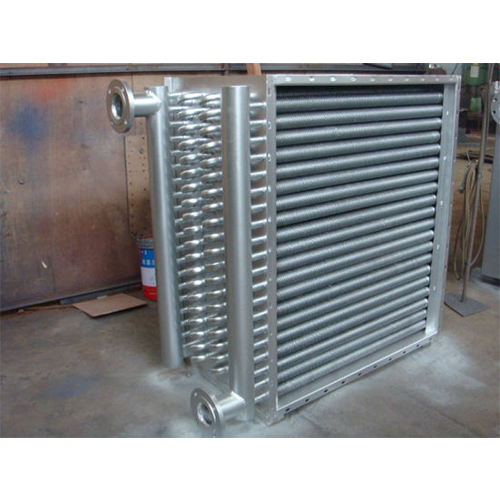
What Is a Water Heat Exchanger?
A Water Heat Exchanger is a thermal equipment in which water acts as one of the heat-transfer media. Heat is transferred through a separating surface between water and another fluid without allowing the two fluids to mix.
Depending on the process requirement, the equipment can be used to increase water temperature, remove heat from circulating water, or recover useful thermal energy from another process stream.
How Does a Water Heat Exchanger Work?
The water and secondary process fluid flow through separate passages inside the heat exchanger. Thermal energy moves through the heat-transfer surface from the hotter medium to the cooler medium.
Water Heating Process
When hot steam, thermal fluid, exhaust heat, or another hot process stream is available, its heat can be transferred to water to achieve the required outlet temperature.
Water Cooling Process
For cooling duties, hot water transfers its heat to a cooler medium such as cooling water, air, or another process fluid. The selected arrangement depends on the required cooling duty and operating conditions.
Water Heat Exchanger Design and Construction
The equipment is designed around the required thermal duty rather than using a fixed standard configuration.
Heat Transfer Surface
The heat-transfer surface is selected according to water flow, temperature difference, fluid properties, fouling tendency, and required thermal performance.
Flow Passages
Separate flow paths are provided for water and the secondary fluid. Their arrangement is designed to achieve the required heat transfer while maintaining acceptable pressure drop.
Connections and Casing
Inlet and outlet connections, casing, supports, access provisions, and other mechanical features are selected according to equipment size and site requirements.
Main Components of a Water Heat Exchanger
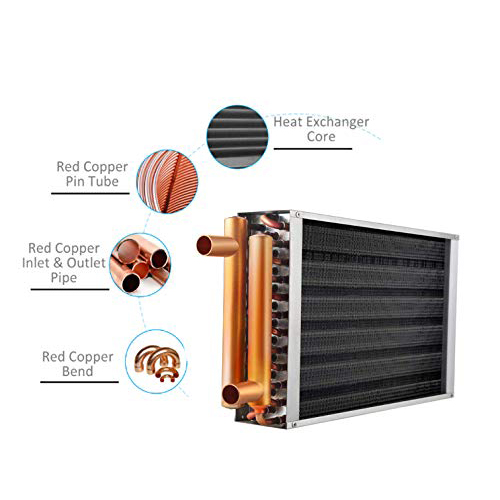
Depending on the selected configuration, a Water Heat Exchanger may include:
- Heat-transfer tubes, plates, or other exchange surfaces
- Water inlet and outlet connections
- Secondary-fluid inlet and outlet connections
- Casing or pressure boundary
- Supports and structural components
- Flow-directing elements where required
- Inspection and maintenance provisions
- Temperature and pressure monitoring points
The final component arrangement depends on the process and equipment design.
Types of Water Heat Exchangers
Water heat-transfer duties can be handled using different exchanger configurations.
Shell and Tube Water Heat Exchanger
Shell and tube construction can be selected for industrial water heating and cooling duties where robust mechanical construction, higher pressure capability, or easy maintenance is required.
Plate Type Water Heat Exchanger
Plate configurations provide a compact heat-transfer arrangement and can be considered for water-to-water heating and cooling duties where space and close temperature control are important.
Finned Tube Water Heat Exchanger
Finned tube arrangements can be used when water is being heated or cooled against air and additional air-side heat-transfer area is required.
The suitable configuration is selected based on pressure, temperature, flow rate, fouling conditions, available space, and required thermal performance.
Industrial Applications
Water Heat Exchangers are used wherever controlled water temperature is important to an industrial process.
Process Water Heating and Cooling
They can be used to maintain process-water temperatures in manufacturing and production systems.
Machinery and Equipment Cooling
Water-based heat exchangers can remove heat from machinery, hydraulic systems, lubricating systems, and other industrial equipment.
HVAC and Chilled Water Systems
They can be integrated into chilled-water and hot-water circuits for industrial HVAC and temperature-control applications.
Industrial Process Systems
Water heat-transfer equipment can support chemical, pharmaceutical, food processing, power, manufacturing, and other process industries where water is used as a heating or cooling medium.
Key Benefits of Water Heat Exchangers
Controlled Temperature
The equipment allows water temperature to be managed according to the required process conditions.
Efficient Heat Recovery
Available heat from another process stream can be transferred to water instead of being discharged unused.
Flexible Configuration
The heat-transfer arrangement, materials, dimensions, connections, and operating parameters can be selected for individual applications.
Suitable for Continuous Operation
Properly designed equipment can support continuous industrial heating or cooling duties with regular inspection and maintenance.
Water Heat Exchanger Selection Considerations
The following information helps determine the appropriate equipment configuration.
Heat Load and Water Flow Rate
Required heating or cooling capacity and water circulation rate are fundamental for thermal sizing.
Inlet and Outlet Temperatures
Water inlet temperature, required outlet temperature, and the temperature of the secondary fluid determine the required heat-transfer duty.
Operating Pressure
Design pressure and operating pressure should be considered when selecting the construction and mechanical configuration.
Water Quality and Material Selection
Water chemistry, hardness, suspended solids, corrosion potential, and fouling tendency can influence material selection and maintenance requirements.
Maintenance and Inspection
Regular maintenance helps preserve heat-transfer performance and equipment reliability.
Cleaning Heat Transfer Surfaces
Scale, deposits, and fouling can reduce heat transfer and increase pressure drop. Cleaning requirements depend on water quality and operating conditions.
Checking Flow and Pressure
Water flow, pressure drop, pumps, valves, and connections should be monitored for abnormal operating conditions.
Inspection for Corrosion and Leakage
Heat-transfer surfaces, joints, connections, casing, and associated components should be inspected for corrosion, leakage, erosion, or mechanical damage.
Customized Water Heat Exchanger Solutions
Heat Transfer Equipments provides customized Water Heat Exchanger solutions for industrial heating and cooling requirements.
For proper design, customers can provide:
- Required heat load
- Water flow rate
- Water inlet and outlet temperatures
- Secondary-fluid type and flow rate
- Operating and design pressure
- Fluid properties
- Material requirements
- Allowable pressure drop
- Available installation space
- Existing equipment drawings, if applicable
Based on these details, the equipment configuration and heat-transfer surface can be selected according to the process requirement.
Frequently Asked Questions
What is a Water Heat Exchanger used for?
A Water Heat Exchanger is used to heat or cool water by transferring thermal energy between water and another fluid or heat source.
How does a Water Heat Exchanger work?
Water flows through one passage while another heating or cooling medium flows through a separate passage. Heat passes through the separating surface without direct mixing of the fluids.
Can a Water Heat Exchanger be used for both heating and cooling?
Yes. Depending on the process arrangement, the same basic heat-transfer principle can be applied to water heating or water cooling duties.
What information is required to select a Water Heat Exchanger?
Heat load, water flow rate, inlet and outlet temperatures, secondary-fluid details, operating pressure, water quality, material requirements, pressure-drop limits, and installation space are useful for selection.
Can a Water Heat Exchanger be customized?
Yes. The heat-transfer surface, materials, dimensions, connections, flow arrangement, and other design features can be customized according to project requirements.
How can scaling affect a Water Heat Exchanger?
Scale deposits can reduce the effective heat-transfer area, restrict flow passages, increase pressure drop, and reduce thermal performance. Proper water treatment and periodic cleaning can help control scaling.
Can an existing Water Heat Exchanger be replaced?
Yes. Replacement equipment can be developed using existing drawings, dimensions, operating data, connection details, and required thermal performance.
Do you manufacture Water Heat Exchangers in India?
Yes. Heat Transfer Equipments manufactures customized industrial heat-transfer equipment based on process requirements, operating conditions, materials, and project specifications.
Request a Quote for a Water Heat Exchanger
Looking for a customized Water Heat Exchanger for industrial heating, cooling, or process temperature control?
Share your heat load, water flow rate, inlet and outlet temperatures, secondary-fluid details, operating pressure, material requirements, and installation dimensions with our engineering team.
Heat Transfer Equipments can develop a Water Heat Exchanger according to your process conditions and required thermal performance.
Contact us today to discuss your requirement and request a customized quotation.