
heattransferequipments.com > products > heat exchangers > cooling towers
HEAT EXCHANGERS & COOLING TOWER MANUFACTURER
Heat Transfer Equipment Pvt Ltd.,
HEAT EXCHANGERS
COOLING TOWERS
Flue Gas Air Preheater
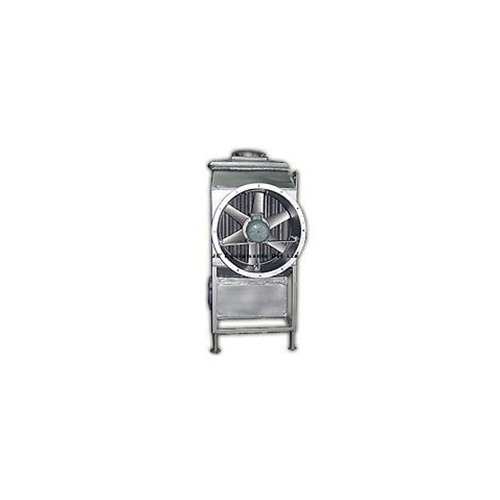
A Flue Gas Air Preheater is a heat-recovery equipment used to transfer heat from hot flue gases to incoming combustion air. By recovering part of the heat that would otherwise leave through the exhaust system, an air preheater can improve the thermal performance of boilers, furnaces, and other combustion-based process systems.
The equipment can be designed according to the required heat-recovery duty, flue gas characteristics, combustion-air flow, operating temperatures, pressure drop, and available installation space.
How Does a Flue Gas Air Preheater Work?
Hot flue gas leaving the combustion or boiler system passes through the air preheater and transfers heat to the incoming combustion air.
Heat Recovery from Flue Gas
The air preheater captures usable heat from the outgoing flue gas before it reaches the stack. This reduces the amount of recoverable heat lost with the exhaust stream.
Preheating Combustion Air
The recovered heat increases the temperature of incoming combustion air before it enters the furnace or boiler. Preheated air can support more effective combustion and improve overall thermal utilization.
Flue Gas Air Preheater Design & Construction
The design of an air preheater depends on heat-recovery requirements, gas and air flow rates, temperature conditions, fuel characteristics, and installation limitations.
Heat Transfer Surface
Tubes, plates, or regenerative heat-storage elements provide the required surface for transferring heat between the hot flue gas and incoming air.
Air and Flue Gas Flow Arrangement
Flow passages are designed to provide suitable heat transfer while controlling pressure drop and maintaining the required air and gas distribution.
Casing and Support Structure
The casing, supports, connections, insulation arrangement, and access provisions are selected according to equipment size, operating temperature, structural requirements, and maintenance needs.
Types of Flue Gas Air Preheaters
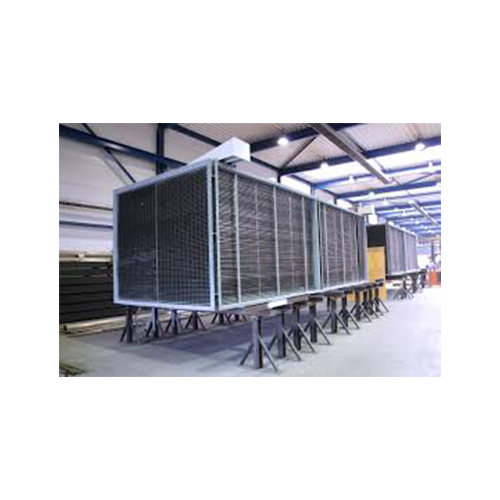
Air preheaters are commonly classified according to how heat is transferred between the flue gas and combustion air.
Tubular Air Preheater
A tubular air preheater uses fixed tubes to transfer heat continuously between the hot flue gas and incoming air. Its relatively straightforward construction makes it suitable for industrial boilers and heat-recovery applications.
Plate Type Air Preheater
Plate-type arrangements use plates or formed heat-transfer surfaces to provide the required separation and heat-transfer area. The configuration can be selected according to the required duty and installation conditions.
Regenerative Air Preheater
A regenerative air preheater uses heat-storage elements that absorb heat from the flue gas and subsequently transfer that stored heat to incoming combustion air. Rotary regenerative designs are widely associated with large boiler and power-generation systems.
Heat Recovery Process
The main purpose of the air preheater is to recover heat that would otherwise leave with the boiler or furnace exhaust.
Waste Heat Recovery
Hot flue gas transfers part of its thermal energy to the air-preheating system before being discharged through the stack.
Combustion Air Preheating
The recovered energy raises the temperature of combustion air entering the furnace. This can help reduce useful heat loss and improve thermal efficiency.
Main Components of a Flue Gas Air Preheater
A typical flue gas air preheater may include:
- Heat-transfer tubes, plates, or regenerative elements
- Flue gas inlet and outlet connections
- Combustion-air inlet and outlet connections
- Casing and support structure
- Baffles or flow-directing arrangements where required
- Sealing arrangements for regenerative designs
- Inspection and maintenance access points
- Temperature and pressure monitoring provisions
The exact components depend on the selected air-preheater configuration and operating conditions.
Industrial Applications
Flue gas air preheaters are used in combustion and heat-recovery systems where recovery of exhaust heat can improve process performance.
Boiler Systems
Air preheaters can recover heat from boiler flue gas and transfer it to combustion air before it enters the furnace.
Process Heaters and Furnaces
Industrial furnaces and process-heating systems can use recovered flue-gas heat to preheat combustion air and improve energy utilization.
Power Generation Systems
Air preheaters are commonly used in large boiler systems for thermal power generation, where substantial quantities of flue gas and combustion air are handled.
Other applications may include industrial heating systems, biomass-fired boilers, thermic fluid heaters, and selected waste-heat recovery systems.
Key Benefits of Flue Gas Air Preheaters
A properly designed air preheater can provide several operational benefits:
Improved Thermal Efficiency
Recovering heat from exhaust gas allows part of the available thermal energy to be reused in the combustion process.
Reduced Flue Gas Heat Loss
Heat recovery reduces the amount of useful energy discharged with the flue gas.
Better Combustion Air Temperature
Preheated combustion air can support suitable furnace operating conditions and more effective fuel utilization.
Lower Exhaust Gas Temperature
Recovering heat before the gas reaches the stack can reduce the temperature of the outgoing flue gas, subject to the design and operating conditions.
Factors to Consider When Selecting a Flue Gas Air Preheater
The following parameters should be evaluated during equipment selection and design:
Heat Duty
Required heat recovery and combustion-air heating duty determine the necessary heat-transfer surface.
Flue Gas Temperature and Composition
Flue gas temperature, moisture, dust loading, corrosive constituents, and fuel characteristics influence material selection and design.
Airflow and Pressure Drop
Air and gas flow rates should be considered together with allowable pressure drop to achieve the required system performance.
Material Selection
Tube, plate, casing, sealing, and other materials should be selected according to temperature, corrosion risk, fouling conditions, and expected service life.
Maintenance and Inspection
Regular inspection helps maintain heat-transfer performance and equipment reliability.
Cleaning of Heat Transfer Surfaces
Dust, ash, and other deposits can reduce heat-transfer performance and restrict flow. Cleaning requirements depend on the fuel, flue gas condition, and equipment design.
Inspection for Fouling and Corrosion
Heat-transfer surfaces should be checked for fouling, corrosion, erosion, leakage, and other service-related damage.
Air and Flue Gas Leakage Checks
Connections, seals, casing joints, and associated ducting should be inspected to identify unwanted leakage and maintain proper flow conditions.
Flue Gas Air Preheater for Boiler and Industrial Systems
Flue gas air preheaters can be designed for industrial boilers, thermal systems, furnaces, and other combustion equipment where exhaust heat is available for recovery.
The configuration can be selected according to boiler capacity, fuel type, flue gas temperature, combustion-air requirement, available space, and operating conditions.
For existing equipment, the air preheater can also be evaluated for replacement, modification, or performance improvement based on the available system information.
Replacement and Customized Air Preheater Solutions
Replacement air preheaters can be developed based on the dimensions and operating details of existing equipment.
Important information may include:
- Existing equipment dimensions
- Flue gas flow rate
- Combustion-air flow rate
- Inlet and outlet temperatures
- Operating pressure
- Fuel or process details
- Existing tube or element material
- Connection and duct dimensions
- Available installation space
Customized designs can be developed according to the required heat-recovery duty, process conditions, material requirements, and equipment arrangement.
Frequently Asked Questions
What is the purpose of a flue gas air preheater?
A flue gas air preheater recovers heat from outgoing flue gas and transfers it to incoming combustion air, helping improve thermal energy utilization.
Where are flue gas air preheaters commonly used?
They are commonly used in industrial boilers, power-generation boilers, process heaters, furnaces, thermic fluid heating systems, and selected heat-recovery applications.
What are the main types of air preheaters?
Common configurations include tubular or recuperative air preheaters and regenerative air preheaters. Plate-type arrangements may also be selected for specific applications.
Can a flue gas air preheater be customized?
Yes. The heat-transfer surface, materials, flow arrangement, dimensions, connections, and other design features can be selected according to the required operating conditions.
What information is required to design an air preheater?
Heat duty, flue gas flow and temperature, combustion-air flow and temperature, fuel characteristics, pressure-drop requirements, material requirements, and available installation dimensions are important for design.
Can an existing air preheater be replaced?
Yes. Replacement equipment can be developed using existing drawings, dimensions, operating data, and connection details where available.
How does an air preheater improve boiler performance?
It recovers heat from outgoing flue gas and transfers it to incoming combustion air, reducing useful heat loss through the exhaust and improving thermal utilization.
Request a Quote for a Flue Gas Air Preheater
Looking for a Flue Gas Air Preheater for a boiler, furnace, power-generation system, or industrial process?
Share your heat-recovery duty, flue gas flow rate, combustion-air flow rate, inlet and outlet temperatures, operating pressure, fuel details, material requirements, and available equipment dimensions with our engineering team.
Heat Transfer Equipments can provide customized air preheater solutions based on the required thermal duty, operating conditions, and installation requirements.
Contact us to discuss your requirement and receive a customized technical proposal and quotation.