Pressure Vessels: Types, Uses & Applications
WHAT IS A PRESSURE VESSEL?
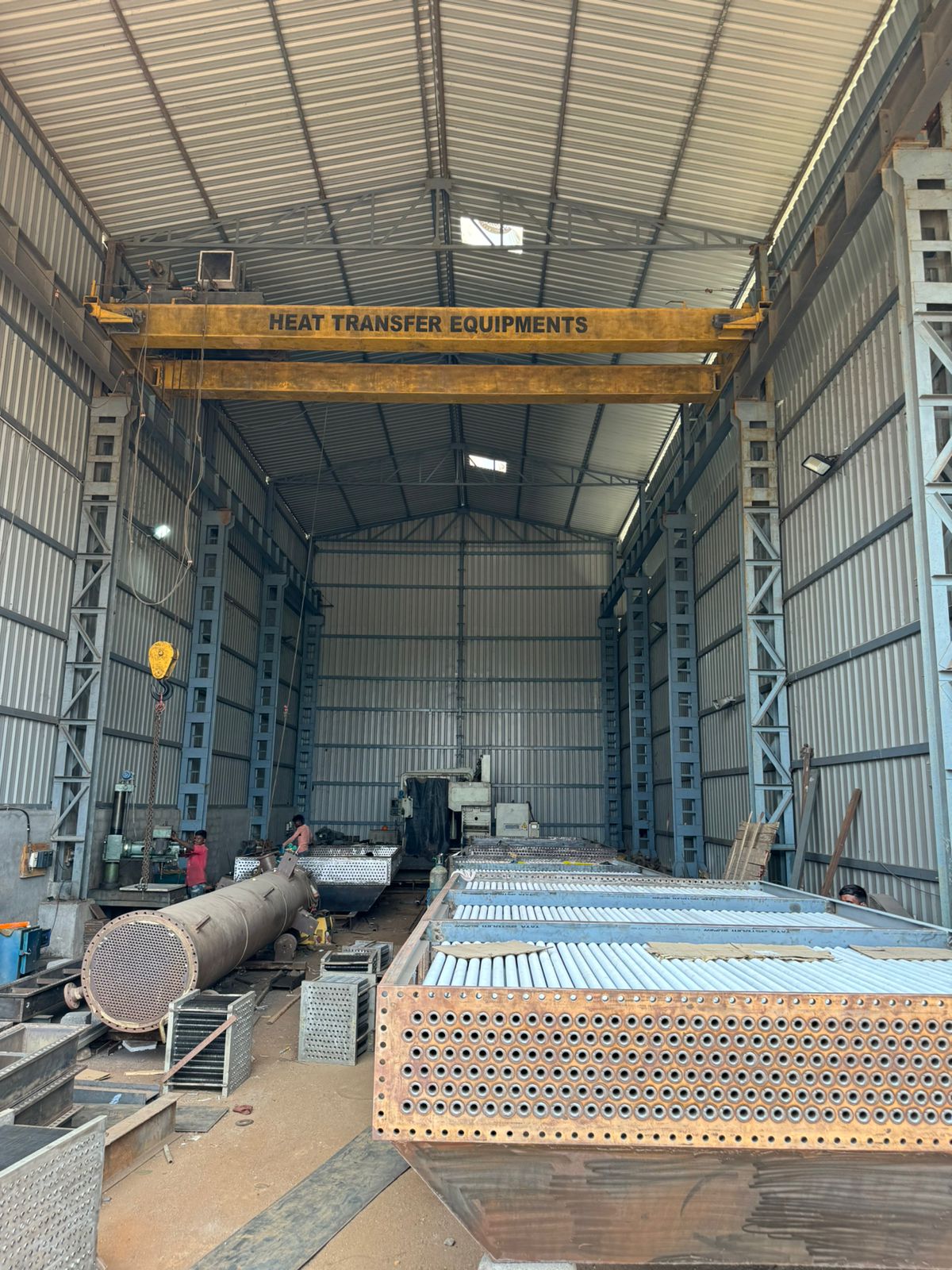
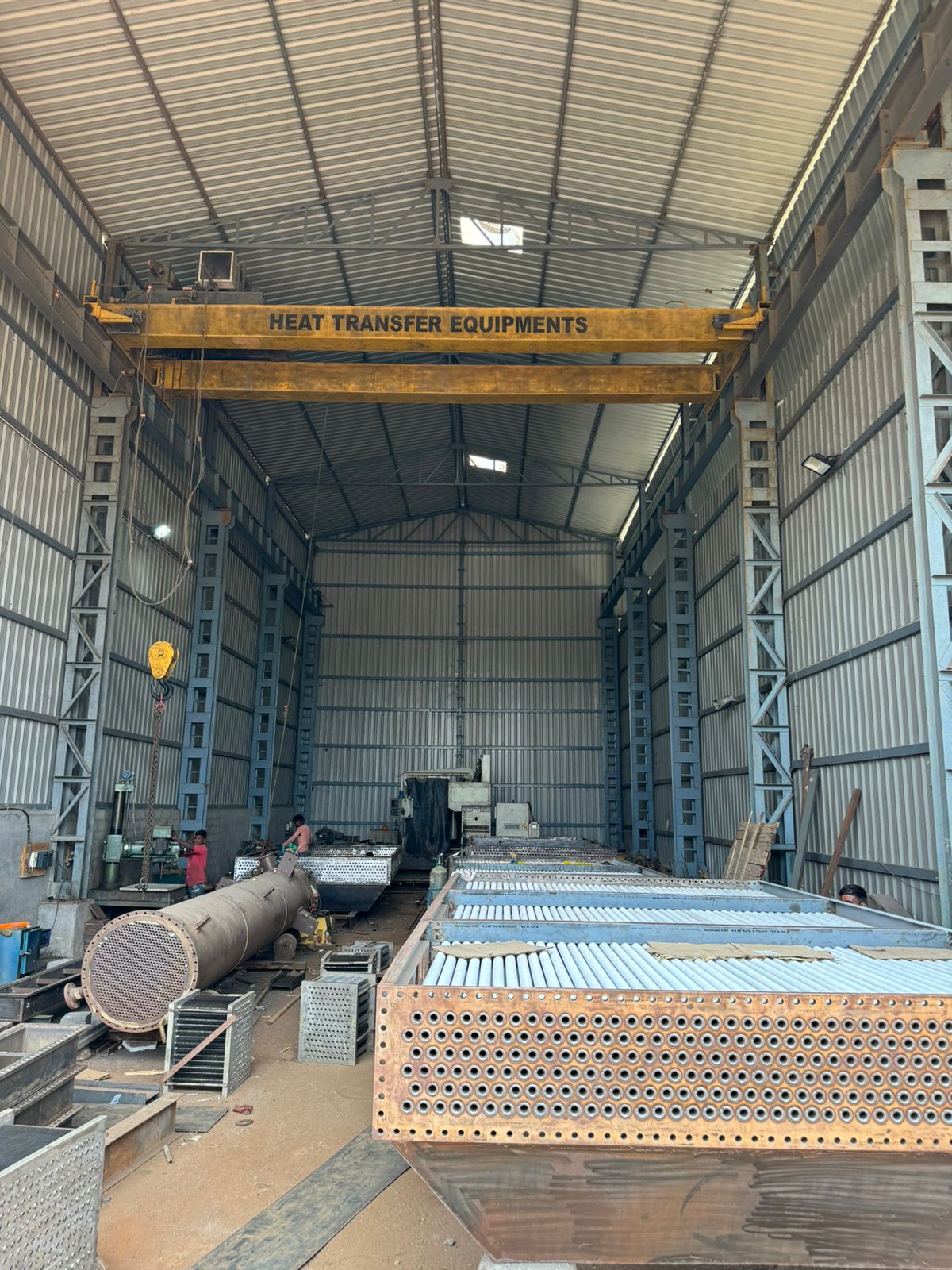
A pressure vessel is a specially engineered container designed to safely hold liquids, gases, or process fluids at a pressure that differs from the surrounding atmosphere. Unlike ordinary storage containers, pressure vessels are designed with specific consideration for internal pressure, operating temperature, material strength, vessel geometry, and safety requirements. They are commonly used wherever controlled pressure containment is an essential part of an industrial process.
Types of Pressure Vessels
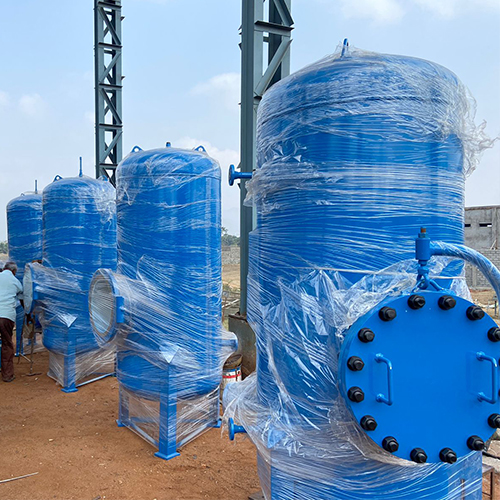
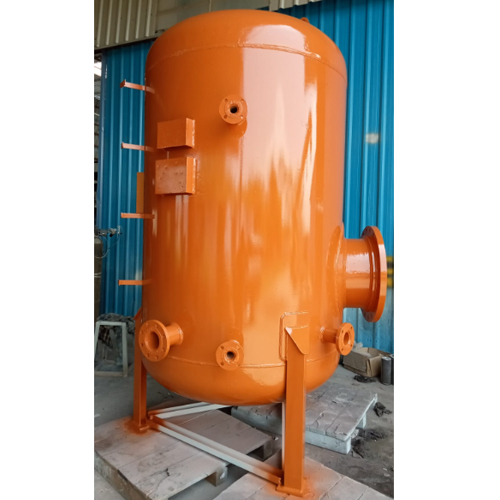
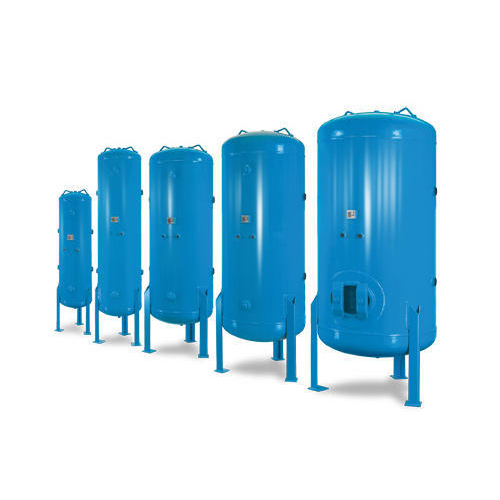
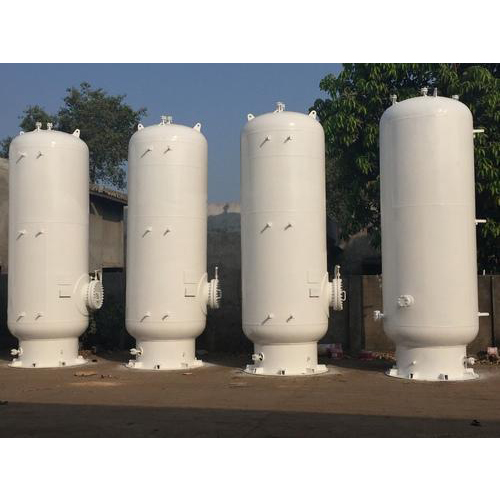
Pressure vessels can be classified based on their purpose, construction, operating conditions, and installation requirements. Common types include storage vessels, process vessels, reactors, separators, high-pressure vessels, and custom-built pressure equipment. They may also be designed in different orientations and configurations depending on available space, process connections, capacity, and customer requirements. The appropriate vessel type is selected according to the nature of the service and the conditions under which the equipment will operate.
Uses of Pressure Vessels
Pressure vessels are used for storing, containing, separating, mixing, or processing fluids under controlled pressure. In industrial plants, they can support processes involving compressed gases, liquids, chemical mixtures, hydrocarbons, steam, and other process media. Properly designed vessels help maintain stable operating conditions while providing a controlled and reliable enclosure for pressurized substances.
Pressure Vessel Applications
Pressure vessels are widely used across oil and gas, petrochemical, refinery, chemical, fertilizer, pharmaceutical, power generation, steel, manufacturing, and general process industries. Depending on the application, they can be integrated into process systems for storage, separation, reaction, pressure management, and other specialized operations. Each vessel can be engineered around the required pressure, temperature, capacity, material, connection arrangement, and installation conditions to meet the specific needs of the plant.