
heattransferequipments.com > products > heat exchangers > cooling towers
HEAT EXCHANGERS & COOLING TOWER MANUFACTURER
Heat Transfer Equipment Pvt Ltd.,
HEAT EXCHANGERS
COOLING TOWERS
Steam Coil Air Pre Heater(SCAPH)
We are manufacturing Steam Coil Air Pre Heater (SCAPH) , On associate degree extended surface kind device. This instrumentality is employed to heat region air to the desired method temperature by suggests that of saturated steam. Steam flows within the tube whereas air passes over the finned tubes .It is typically used for heating method air in Sugar Mills, Starch Mills, Chemical & allied Industries. SCAPH notice intensive use with every type of High capability Boilers, Recovery Boilers, Dryers etc.
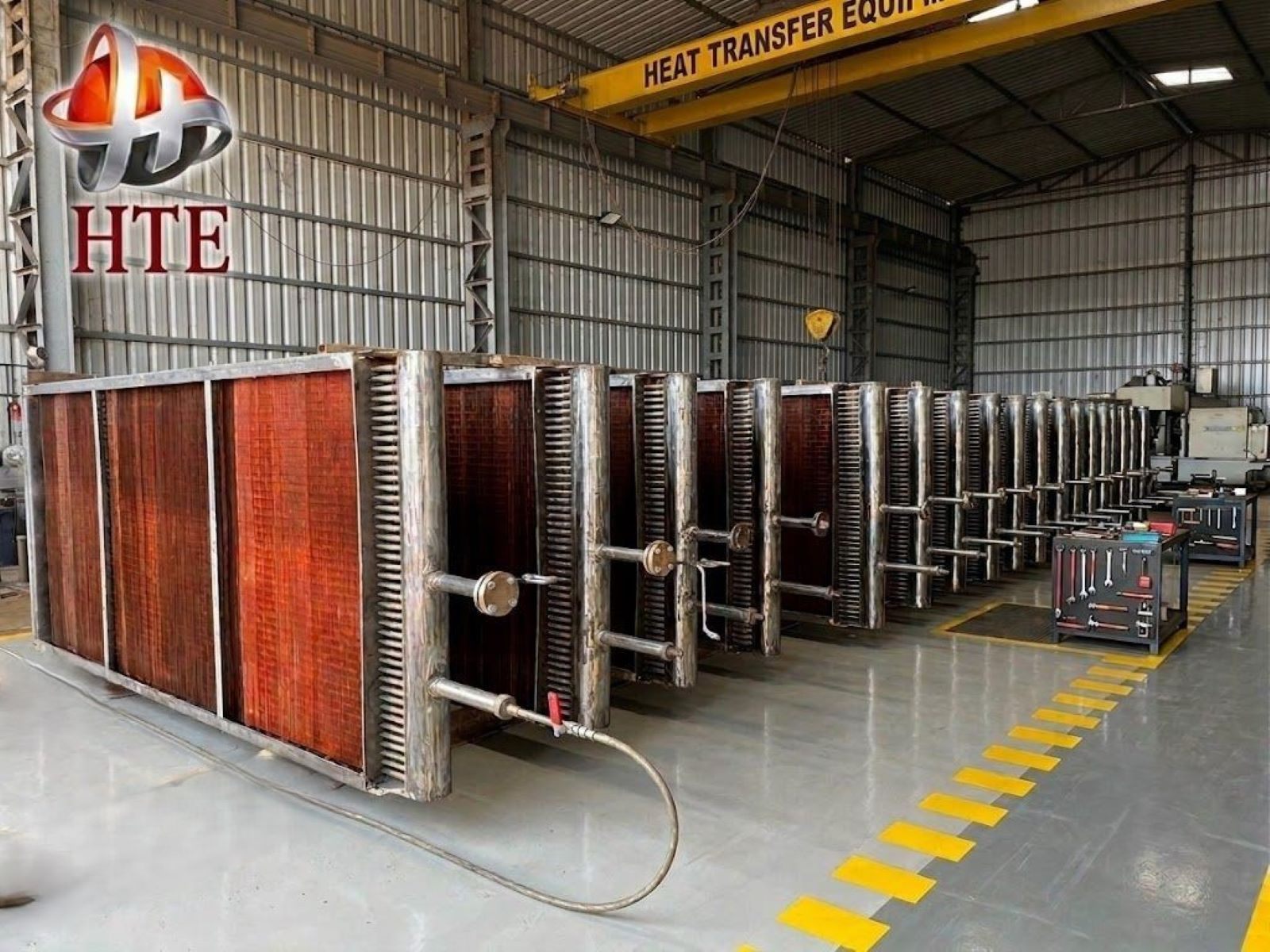
The steam coil air preheater, conjointly better-known SCAP using, Aluminium Extruded fins and base tube. preheats the combustion air before getting into the air preheater (APH) to extend the minimum metal temperature so as to lift the typical cold finish temperature and to forestall acid saturation point corrosion.
Steam coil air heating systems area unit wide utilized in industrial chamber systems, combustion systems, crude distillation plants, steam reformers and laid-off heaters for world oil, gas, and organic compound industries.
Heat Transfer Equipments can offer a heat system as one unit, or additional ordinarily together with associate air preheater joined package. The SCAP style may be factory-made from a spread of materials, appropriate for a large vary of temperature applications.
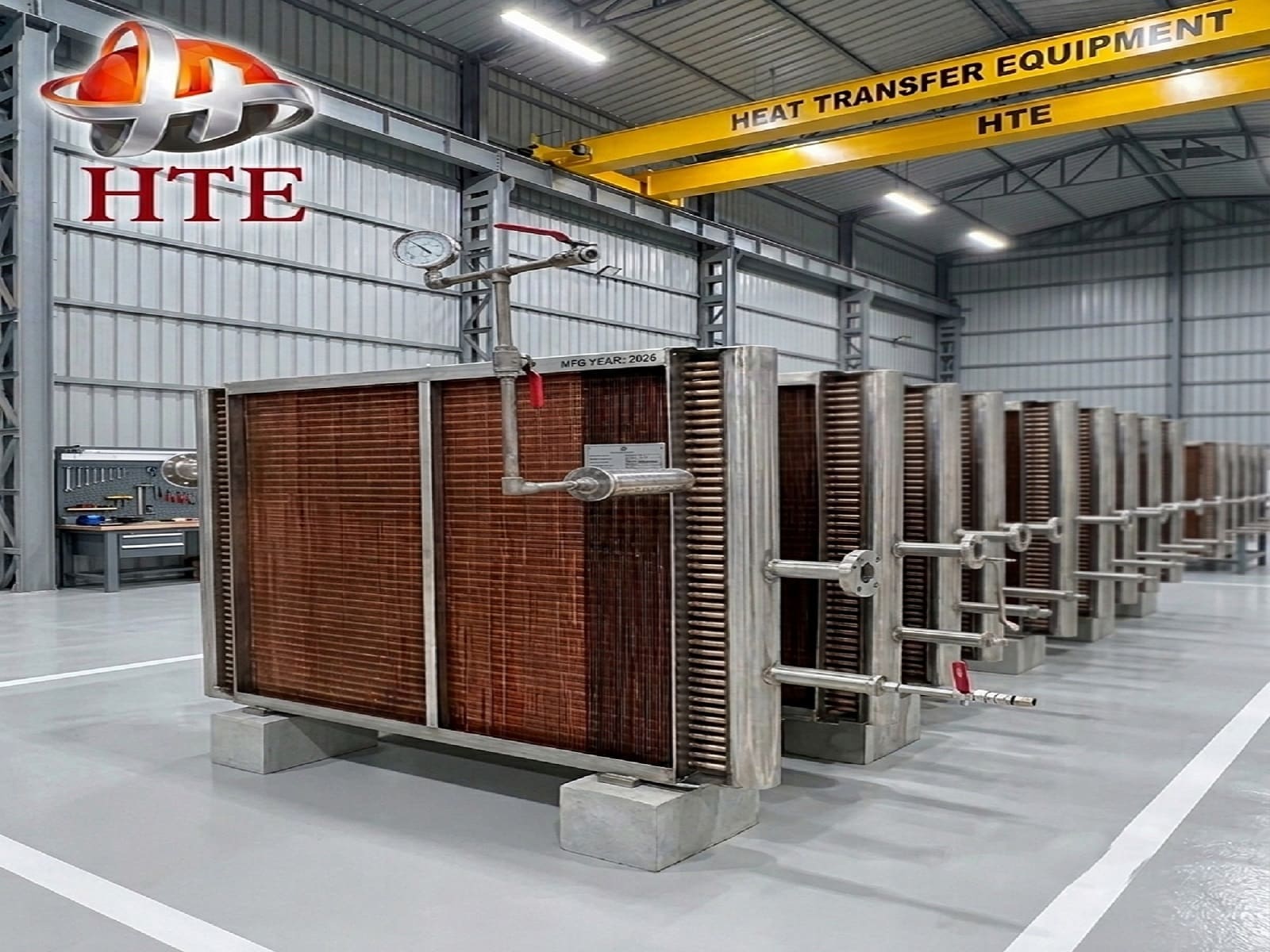
What Is a Steam Coil Air Preheater?
A Steam Coil Air Preheater is an industrial heat-transfer unit used to increase the temperature of air before it enters a boiler, furnace, dryer, or other process equipment. The heating medium and air remain separated during operation, allowing the required air temperature to be achieved through indirect heat transfer.
The equipment can be configured for different air volumes, temperature requirements, steam conditions, and installation arrangements. Its construction and heat-transfer surface are selected according to the process duty, operating environment, and project specifications.
Steam Coil Air Preheater Design Considerations
Designing a Steam Coil Air Preheater requires consideration of both the air-side and steam-side operating conditions. Important parameters include air flow rate, air inlet temperature, required outlet temperature, steam pressure, steam temperature, heat duty, and allowable pressure drop.
Tube and fin materials are selected according to operating temperature, corrosion conditions, moisture exposure, and the characteristics of the surrounding environment. The coil arrangement, number of rows, fin spacing, tube dimensions, and overall heat-transfer surface are determined based on the required thermal performance.
Installation space and accessibility should also be considered during design. Proper provisions for condensate drainage, connections, supports, inspection, and maintenance can help the equipment operate reliably over its service life.
Steam Coil Air Preheater Selection Factors
Selecting the right Steam Coil Air Preheater begins with understanding the actual process requirements. Air quantity and the required temperature increase are two of the primary inputs used to determine the necessary heating capacity.
Other factors include available steam pressure, operating hours, air velocity, allowable pressure drop, material requirements, ambient conditions, space limitations, and connection arrangements. The expected operating range should also be considered when the air flow or steam conditions vary during plant operation.
Providing accurate process data during the selection stage helps in developing a suitable coil configuration and avoiding unnecessary oversizing or inadequate heating capacity.
Types of Steam Coil Air Preheaters
Finned Tube Steam Coil Air Preheater
Finned tube coils provide an extended heat-transfer surface for transferring heat from steam to air. This configuration is commonly used where effective air heating is required within a practical installation arrangement.
Vertical Steam Coil Air Preheater
Vertical coil arrangements can be selected according to duct layout, available space, airflow direction, and installation requirements.
Horizontal Steam Coil Air Preheater
Horizontal configurations can be used where the plant layout and duct arrangement require a horizontal coil installation. The dimensions and coil arrangement can be customized according to the required heating duty.
Customized Steam Coil Air Preheater
Customized SCAPH units can be designed according to air flow rate, required temperature rise, steam conditions, pressure drop, material requirements, and available installation space.
Benefits of Using a Steam Coil Air Preheater
A properly designed Steam Coil Air Preheater provides controlled air heating for industrial processes while maintaining separation between the heating medium and the air stream. It can help achieve a consistent air temperature before combustion, drying, or other process operations.
The system can also be adapted to different plant layouts and operating requirements through suitable coil dimensions, materials, connections, and support arrangements. Where steam is already available as a utility, a steam-based air preheating system can provide a practical method of utilizing that heating medium for process air temperature control.
Frequently Asked Questions
What is the purpose of a Steam Coil Air Preheater?
A Steam Coil Air Preheater is used to raise the temperature of incoming air before it enters a boiler, furnace, dryer, or other industrial process. It uses steam as the heating medium and transfers heat to the air through a finned-tube coil.
What type of steam is used in a Steam Coil Air Preheater?
Saturated steam is commonly used for steam coil air heating applications. The required steam pressure and temperature depend on the desired air outlet temperature, heat load, air flow, and process conditions.
Can a Steam Coil Air Preheater be customized?
Yes. A SCAPH can be engineered according to air flow rate, inlet and outlet air temperatures, steam conditions, allowable pressure drop, installation space, material requirements, and the specific process duty.
What materials are commonly used for Steam Coil Air Preheaters?
Material selection depends on operating temperature, steam conditions, air-side environment, corrosion requirements, and project specifications. Tube, fin, casing, and support materials can be selected accordingly.
Where are Steam Coil Air Preheaters commonly used?
They are used in boiler combustion-air systems, dryers, process heating equipment, industrial furnaces, chemical plants, sugar and starch processing facilities, and selected oil and gas applications where controlled air preheating is required.
What information is required to select a Steam Coil Air Preheater?
Important design information includes air flow rate, air inlet temperature, required outlet temperature, steam pressure and temperature, operating hours, allowable pressure drop, available installation space, and the required heat duty. These parameters help determine the appropriate coil configuration and heat-transfer surface.
Request a Quote for a Steam Coil Air Pre Heater
Looking for a reliable Steam Coil Air Pre Heater manufacturer in India? Heat Transfer Equipments Pvt. Ltd. provides customized solutions based on your process heating requirements and installation conditions.
Share your air flow rate, inlet and outlet air temperatures, steam pressure, required heating capacity, material requirements, and available installation space with our engineering team.
For enquiries, project requirements, or technical assistance, contact our team to discuss your Steam Coil Air Pre Heater requirements.