
heattransferequipments.com > products > heat exchangers > cooling towers
HEAT EXCHANGERS & COOLING TOWER MANUFACTURER
Heat Transfer Equipment Pvt Ltd.,
HEAT EXCHANGERS
COOLING TOWERS
Air Heat Exchanger
An Air Heat Exchanger is an industrial heat-transfer equipment used to transfer heat between air and another fluid or air stream. It can be designed for heating, cooling, or heat recovery applications depending on the process requirement.
Heat Transfer Equipments manufactures customized Air Heat Exchangers for industrial applications based on heat duty, airflow, operating temperature, fluid properties, material requirements, and installation conditions.
What Is an Air Heat Exchanger?
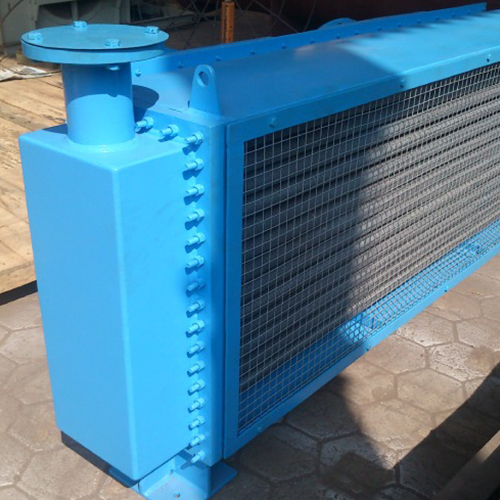
An Air Heat Exchanger is a heat-transfer device that uses air as one of the heat-transfer media. Depending on the application, air can be heated or cooled by transferring thermal energy through tubes, plates, fins, or other heat-transfer surfaces.
The equipment can be configured for different airflow rates, temperature ranges, heat loads, and industrial operating conditions.
How Does an Air Heat Exchanger Work?
An Air Heat Exchanger works by passing air across or through a heat-transfer surface while another fluid or air stream flows through a separate passage.
Heat Transfer Process
Heat moves from the higher-temperature medium to the lower-temperature medium through the heat-transfer surface. The design is selected to provide the required heat-transfer area while maintaining suitable flow conditions.
Airflow and Temperature Control
Airflow rate, inlet temperature, outlet temperature, pressure drop, and heat load are important parameters that determine the required exchanger size and configuration.
Air Heat Exchanger Design and Construction
Air Heat Exchangers are designed according to the required thermal duty, air volume, operating conditions, and installation requirements.
Heat Transfer Surface
Tubes, fins, plates, or other heat-transfer surfaces can be selected according to the required heat-transfer performance and process conditions.
Airflow Arrangement
The airflow path is designed to provide suitable air distribution and heat transfer while maintaining the required pressure drop.
Casing and Support Structure
Casing, supports, connections, insulation, and access arrangements can be selected according to equipment size, operating temperature, installation conditions, and maintenance requirements.
Main Components of an Air Heat Exchanger
A typical Air Heat Exchanger may include:
- Heat-transfer tubes or plates
- Finned heat-transfer surfaces where required
- Air inlet and outlet sections
- Fluid inlet and outlet connections
- Casing and structural supports
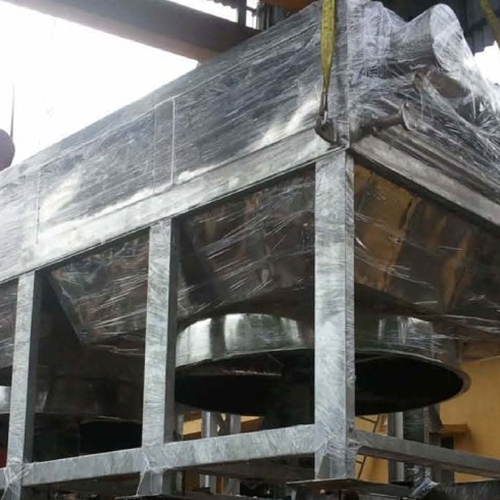
- Fans or airflow equipment where required
- Inspection and maintenance access
- Temperature and pressure monitoring provisions
The exact configuration depends on the application and required operating conditions.
Types of Air Heat Exchangers
Different Air Heat Exchanger configurations can be selected based on the process and heat-transfer requirement.
Air-to-Air Heat Exchanger
An air-to-air heat exchanger transfers heat between two separate air streams. It can be used for heat recovery, ventilation, or temperature-control applications.
Water-to-Air Heat Exchanger
A water-to-air heat exchanger transfers heat between circulating water and an air stream. It can be used for air heating or cooling in industrial and HVAC systems.
Finned Tube Air Heat Exchanger
Finned tube construction increases the available heat-transfer surface on the air side and can be used where air-side heat transfer requirements are significant.
Industrial Applications
Air Heat Exchangers can be used in industrial systems where air heating, air cooling, or heat transfer between air and another process medium is required.
HVAC and Air Conditioning Systems
Air heat exchangers can be integrated into air-conditioning and ventilation systems for heating or cooling air.
Industrial Process Cooling
They can be used for cooling process air, equipment, or circulating fluids where an air-side heat-transfer arrangement is suitable.
Machinery and Equipment Cooling
Air heat exchangers can support temperature control for machinery and industrial equipment by removing excess heat.
Oil and Gas Applications
Customized air heat-transfer equipment can be used in selected oil and gas process systems based on the required thermal duty and operating conditions.
Key Benefits of Air Heat Exchangers
Air Heat Exchangers can provide several advantages depending on their design and application.
Efficient Heat Transfer
A properly designed heat-transfer surface can provide effective thermal performance for the required process duty.
Flexible Design
Equipment dimensions, materials, airflow arrangement, and heat-transfer surfaces can be selected according to project requirements.
Reduced Cooling Water Requirement
Air-based cooling arrangements can reduce dependence on cooling water in applications where air cooling is suitable.
Easy Integration
The equipment can be designed to suit existing process lines, ducting, equipment connections, and available installation space.
Air Heat Exchanger Selection Considerations
The following information is useful when selecting or designing an Air Heat Exchanger.
Heat Load
The required heating or cooling capacity determines the necessary heat-transfer surface and equipment size.
Airflow Rate
Air volume or mass flow rate is required to establish the required airflow path and heat-transfer performance.
Operating Temperature
Air inlet and outlet temperatures, fluid temperatures, and maximum operating temperature should be considered during design.
Material Selection
Materials should be selected according to temperature, fluid properties, corrosion conditions, pressure, and expected service requirements.
Maintenance and Inspection
Regular inspection helps maintain heat-transfer performance and reliable operation.
Cleaning Heat Transfer Surfaces
Dust, dirt, oil, and other deposits can reduce heat transfer and restrict airflow. Cleaning frequency depends on the operating environment.
Checking Airflow
Fans, ducts, filters, passages, and airflow sections should be inspected to identify restrictions or abnormal operating conditions.
Inspecting for Fouling and Corrosion
Heat-transfer surfaces, tubes, fins, casing, and connections should be checked for fouling, corrosion, leakage, and mechanical damage.
Customized Air Heat Exchanger Solutions
Heat Transfer Equipments provides customized Air Heat Exchanger solutions based on application requirements.
Important design information may include:
- Required heat load
- Airflow rate
- Air inlet and outlet temperatures
- Fluid type and flow rate
- Operating pressure
- Material requirements
- Allowable pressure drop
- Available installation space
- Connection dimensions
Our engineering team can develop the suitable configuration according to the required thermal performance and operating conditions.
Frequently Asked Questions
What is an Air Heat Exchanger used for?
An Air Heat Exchanger is used for transferring heat between air and another fluid or air stream. Depending on the design, it can be used for air heating, cooling, or heat recovery.
How do I select an Air Heat Exchanger?
Selection depends on heat load, airflow rate, inlet and outlet temperatures, fluid properties, operating pressure, allowable pressure drop, materials, and installation conditions.
Can an Air Heat Exchanger be customized?
Yes. Size, heat-transfer surface, materials, airflow arrangement, connections, and other design features can be customized according to the application requirements.
Where are Air Heat Exchangers commonly used?
They can be used in HVAC systems, industrial process cooling, machinery cooling, air heating, ventilation, and selected process applications.
What information is required for an Air Heat Exchanger quotation?
Heat duty, airflow rate, inlet and outlet temperatures, fluid type, flow rate, operating pressure, material requirements, and available installation dimensions are useful for preparing a suitable quotation.
Can an existing Air Heat Exchanger be replaced?
Yes. Replacement equipment can be designed using existing equipment dimensions, drawings, operating data, connection details, and required thermal performance.
Request a Quote for an Air Heat Exchanger
Looking for a customized Air Heat Exchanger for your industrial application?
Share your heat load, airflow rate, operating temperatures, fluid details, pressure, material requirements, and installation dimensions with our engineering team.
Heat Transfer Equipments can provide an Air Heat Exchanger designed according to your process conditions and required thermal performance.
Contact us today to discuss your requirement and request a customized quotation.