
heattransferequipments.com > products > heat exchangers > cooling towers
HEAT EXCHANGERS & COOLING TOWER MANUFACTURER
Heat Transfer Equipment Pvt Ltd.,
HEAT EXCHANGERS
COOLING TOWERS
Cassion Oil Heater
Heat Transfer Equipments Pvt. Ltd. manufactures Cassion Oil Heaters for industrial heating applications, with flexibility in material selection and equipment configuration based on operating requirements. Thermal oils used in these systems offer useful heat-transfer properties, including high specific heat capacity and a high boiling point. These characteristics allow the heating medium to store and transfer heat efficiently at elevated temperatures, making Cassion Oil Heaters suitable for a wide range of industrial process heating applications.
Cassion Oil Heaters can be developed according to the required heating capacity, operating temperature, thermal-fluid properties, installation conditions, and specific process requirements. The equipment can be configured for different industrial heating duties and customized according to the application.

Thermal Oil Heating in Industrial Processes
Thermal oil heating is used in industrial processes where a controlled and indirect heat source is required. Instead of exposing the process material directly to the heat source, thermal oil is heated and circulated through a closed heating circuit.
This arrangement allows heat to be transferred to process equipment such as vessels, tanks, dryers, reactors, ovens, and other heating systems. The heating circuit can be designed according to the required process temperature, heat load, circulation rate, and operating conditions.
Thermal oil systems are particularly useful for processes that require stable heat transfer and controlled operating temperatures.
How Cassion Oil Heating Systems Operate
The heating cycle begins when thermal oil enters the heating section of the equipment. The required heat is transferred to the oil from the selected heating source.
The heated oil then circulates through the process equipment where it releases heat to the material or fluid being processed. After transferring heat, the oil returns to the heating system for reheating and continuous circulation.
The performance of the system depends on factors such as heat duty, thermal-oil flow rate, operating temperature, heating source, process conditions, insulation, and heat losses.
A properly designed circulation system helps maintain the required thermal-oil temperature and supports consistent process heating.
Key Components of a Cassion Oil Heater
The exact equipment arrangement depends on the application, heating method, capacity, and process requirements. Typical components may include the following.
Heating Chamber
The heating chamber provides the required thermal input to the circulating oil. Its size, construction, and heating capacity are selected according to the process heat requirement.
Thermal Oil Circuit
The thermal oil circuit includes the piping and associated components required to circulate the heating medium between the heater and the connected process equipment.
Circulation Pump
The circulation pump maintains the required oil flow through the heater and process circuit. Pump selection depends on flow rate, pressure losses, fluid properties, and system configuration.
Expansion Arrangement
An expansion arrangement can be provided to accommodate changes in thermal-oil volume as operating temperature increases or decreases.
Temperature Instruments
Temperature sensors and indicators can be incorporated to monitor the thermal-oil temperature at important points in the system.
Controls and Safety Devices
Suitable control and safety arrangements can be provided for temperature regulation, burner or heater operation, alarms, shutdown functions, and other application-specific requirements.
Heating Methods and System Configurations
Cassion Oil Heaters can be arranged with different heating methods depending on energy availability, process requirements, operating temperature, and installation conditions.
Fuel-Fired Heating
Fuel-fired systems use a burner and combustion arrangement to supply heat to the thermal-oil circuit. Burner capacity and heating-surface design are selected according to the required thermal duty.
Electric Heating
Electric heating can be considered where electrical power is suitable for the required heat load, operating temperature, and process conditions.
Customized Heating Arrangements
A customized configuration can be developed where the project requires a particular heating source, temperature range, equipment footprint, control arrangement, or connection layout.
The final heating method should be selected based on the process requirement and available energy source.
Thermal Oil Temperature and Heat Transfer
Thermal oil transfers heat from the heating section to the connected process equipment. The oil temperature range should be suitable for the application and the selected thermal fluid.
Important thermal-fluid properties can include specific heat, viscosity, thermal stability, and recommended operating temperature. These properties influence circulation requirements and overall heat-transfer performance.
Maintaining the thermal oil within its suitable operating range is important for efficient heat transfer and reliable system operation.
The actual heat-transfer performance depends on the selected fluid, heat load, circulation rate, temperature difference, equipment design, and process conditions.
Important Parameters for Heater Selection
The heater should be selected from the actual thermal and operating requirements of the process.
Key parameters include:
- Required heat duty
- Thermal-oil type
- Thermal-oil flow rate
- Oil inlet temperature
- Oil outlet temperature
- Required process temperature
- Operating temperature
- Design temperature
- Operating pressure
- Design pressure
- Heating source
- Thermal-fluid properties
- Heat losses
- Insulation requirements
- Circulation pump requirements
- Expansion arrangement
- Process equipment details
- Available installation space
- Maintenance access
- Control requirements
Correct sizing helps the system deliver the required heating capacity under the specified operating conditions.
Process Applications of Cassion Oil Heaters
Cassion Oil Heaters can be used in industrial processes that require indirect and controlled heating.
Chemical Processing
Thermal oil systems can be used for heating reactors, process vessels, tanks, and other equipment where controlled heat input is required.
Food Processing
Indirect thermal-oil heating can be considered for selected food-processing equipment and systems requiring consistent process temperatures.
Textile Industries
Thermal oil heating can support suitable textile processing equipment where controlled and continuous heat transfer is required.
Plastics and Rubber Processing
Heating systems can be used for selected equipment involved in molding, forming, curing, and other temperature-controlled processes.
Pharmaceutical Industries
Thermal-oil systems can provide indirect heating for suitable pharmaceutical process equipment where controlled thermal conditions are required.
General Industrial Heating
Cassion Oil Heaters can also be developed for dryers, ovens, tanks, vessels, and other industrial equipment requiring a controlled indirect heat source.
Benefits of Thermal Oil Heating
Thermal-oil heating can provide several practical benefits for suitable industrial applications:
- Indirect heating of process equipment
- Controlled heat transfer
- Suitable for continuous heating duties
- Closed-loop circulation of the heating medium
- Flexible system configuration
- Suitable for different industrial temperature requirements
- Can be integrated with various process equipment
- Can be customized according to plant layout
- Suitable for selected high-temperature process heating duties
The actual operating benefits depend on the thermal fluid, heating method, process conditions, equipment configuration, and operating parameters.
Thermal Oil Circulation and Temperature Control
Continuous circulation is an important part of a thermal-oil heating system. The circulation pump moves the heated oil through the process circuit and returns it to the heater.
The oil flow rate should be suitable for the required heat transfer and connected equipment. Temperature control can be achieved through suitable sensing and control arrangements based on the selected heating method.
Depending on the system configuration, controls may include temperature monitoring, burner control, electrical heater control, pump operation, alarm functions, and safety shutdowns.
Stable circulation and appropriate temperature control help maintain the required process heating conditions.
Installation and Operating Considerations
The installation layout should provide adequate space for the heater, pump, piping, controls, expansion arrangement, and maintenance activities.
Thermal-oil piping should follow the designed circulation path and allow proper flow to the connected process equipment. Suitable insulation can be provided to reduce heat loss from the system.
During operation, the thermal-oil temperature, circulation, pump condition, heating source, and control-system performance should be monitored according to the equipment design and operating requirements.
Routine inspection and maintenance help maintain the expected performance of the heating system.
Customized Cassion Oil Heater Solutions
Heat Transfer Equipments Pvt. Ltd. provides customized Cassion Oil Heater solutions according to individual process requirements.
The equipment can be developed based on:
- Heating capacity
- Thermal-oil type
- Operating temperature
- Heating source
- Oil circulation rate
- Process equipment arrangement
- Equipment dimensions
- Piping connections
- Control requirements
- Installation space
- Project-specific specifications
Application-based engineering helps match the heater with the thermal requirements and operating conditions of the connected process system.
Cassion Oil Heater Manufacturing and Quality
Application-Based Engineering
The heater configuration is developed from the required heat duty, process temperature, thermal-fluid properties, circulation requirements, and installation conditions.
Material Selection
Materials are selected according to operating temperature, thermal-fluid compatibility, corrosion conditions, mechanical requirements, and project specifications.
Fabrication and Assembly
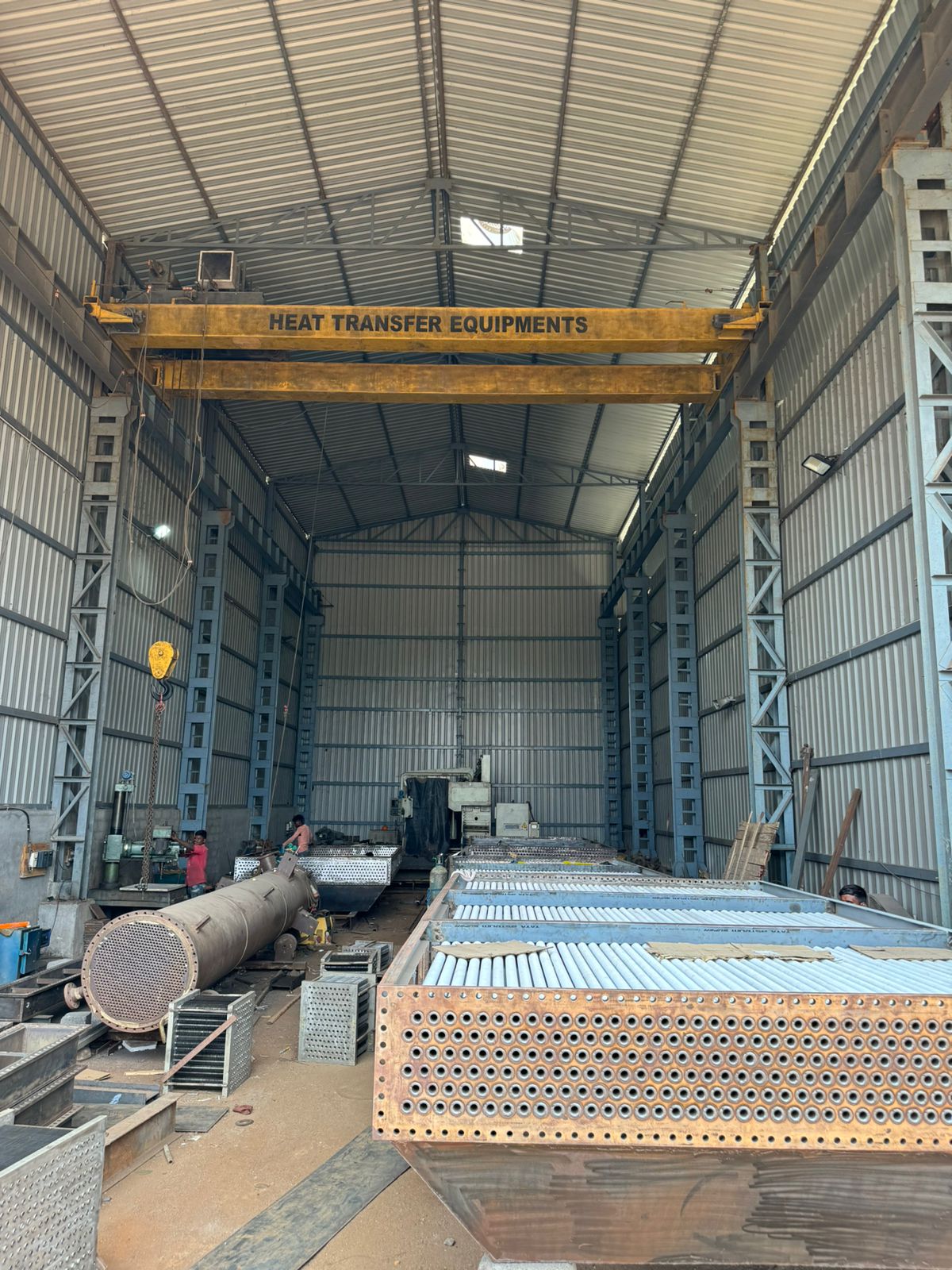
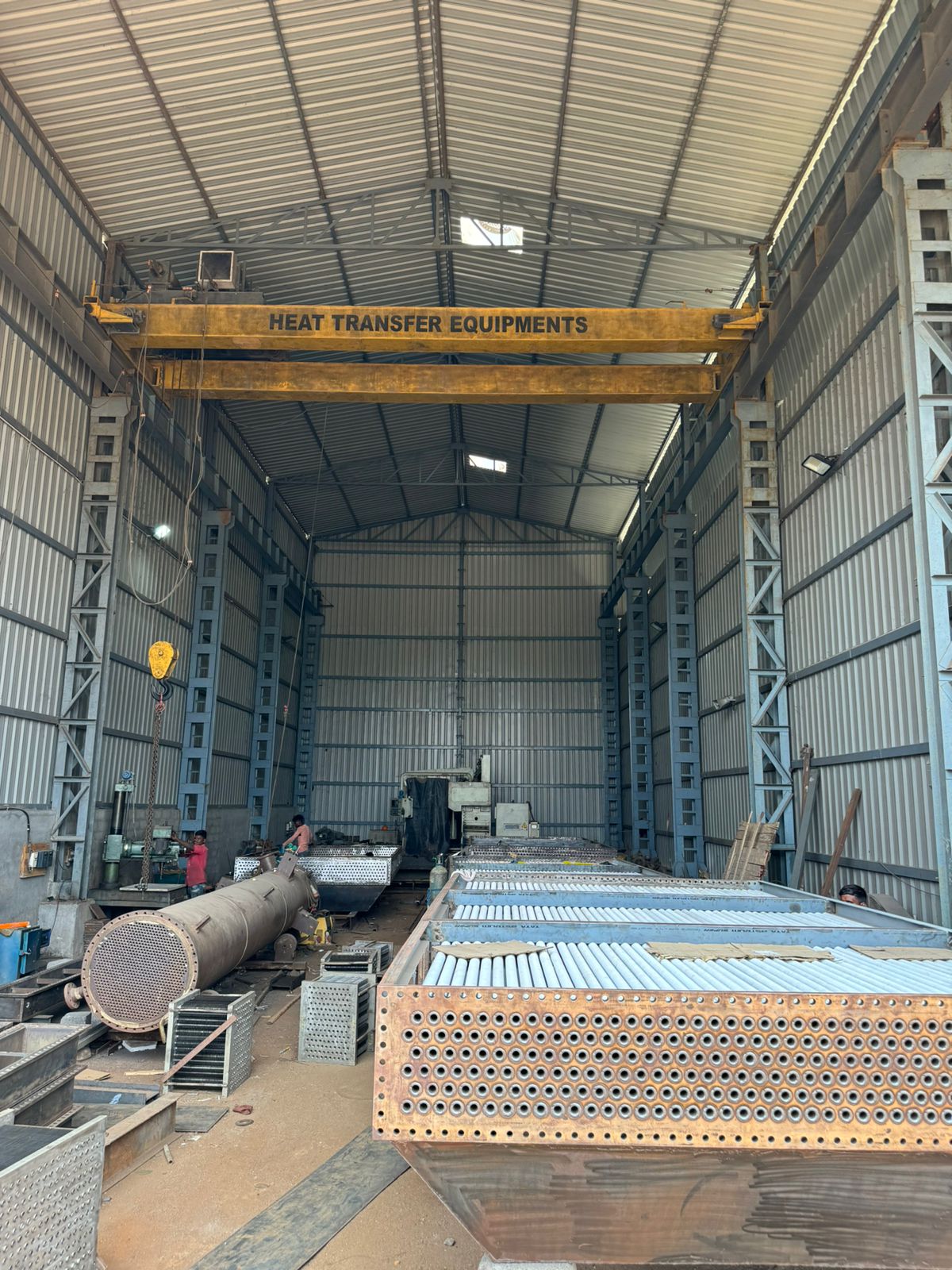
Heating sections, oil circuits, headers, connections, supports, piping components, and associated assemblies are fabricated according to the approved equipment design.
Inspection and Testing
Inspection and testing activities can be carried out according to applicable drawings, material requirements, project specifications, and quality procedures.
Project Documentation
Manufacturing, material, inspection, and testing documentation can be provided according to customer and project requirements.
Frequently Asked Questions
What is a Cassion Oil Heater?
A Cassion Oil Heater is an industrial heating system that uses thermal oil as a heat-transfer medium. The heated oil circulates through a process circuit to provide indirect heat to connected equipment.
What is thermal oil used for in this heating system?
Thermal oil acts as the circulating heat-transfer medium. It receives heat from the heating section and transfers that heat to the process equipment.
What factors determine the size of a Cassion Oil Heater?
Required heat duty, process temperature, thermal-oil flow rate, inlet and outlet temperatures, heating source, fluid properties, heat losses, and operating conditions are important factors in heater sizing.
Can the heating method be customized?
Yes. The system can be configured with a suitable heating source and control arrangement according to the required heat duty, operating temperature, available energy source, and project conditions.
What temperature range can a Cassion Oil Heater operate at?
The operating temperature depends on the selected thermal oil, heater design, process requirements, and heating arrangement. The thermal fluid should always be operated within its recommended temperature range.
Can Cassion Oil Heaters be used for continuous process heating?
Yes. They can be designed for continuous process heating where a closed-loop thermal-oil circulation system is suitable for the application.
What information is required for heater selection?
Important information includes heat duty, process temperature, thermal-oil details, circulation rate, heating source, operating pressure and temperature, connected equipment details, installation space, and control requirements.
Where are Cassion Oil Heaters used?
They can be used for suitable industrial heating duties in chemical, food, textile, plastics, rubber, pharmaceutical, and general manufacturing industries.
Can the equipment be manufactured according to customer specifications?
Yes. Heating capacity, configuration, materials, connections, controls, dimensions, and other parameters can be developed according to project-specific requirements.
Do you manufacture Cassion Oil Heaters in India?
Yes. Heat Transfer Equipments Pvt. Ltd. manufactures customized Cassion Oil Heaters in India according to thermal, mechanical, material, dimensional, and project-specific requirements.
Request a Quote for a Cassion Oil Heater
Looking for a Cassion Oil Heater manufacturer in India?
Share your required heat duty, process temperature, thermal-oil details, circulation rate, heating source, operating conditions, equipment dimensions, and installation requirements with our engineering team.
Heat Transfer Equipments Pvt. Ltd. can develop a customized Cassion Oil Heater solution based on your process and equipment requirements.