heattransferequipments.com > products > heat exchangers > cooling towers
HEAT EXCHANGERS & COOLING TOWER MANUFACTURER
Heat Transfer Equipment Pvt Ltd.,
HEAT EXCHANGERS
COOLING TOWERS
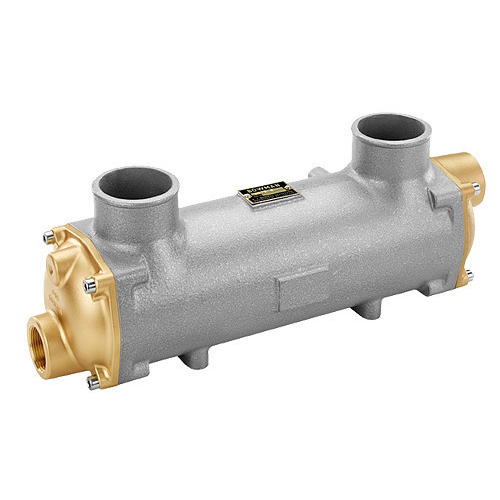
Marine Heat Exchanger
Heat Transfer Equipments Pvt. Ltd. is a Marine Heat Exchanger manufacturer in India, providing customized heat transfer solutions for marine engines, vessels, boats, and other marine cooling applications.
Marine Heat Exchangers are designed to transfer heat between engine fluids and a suitable cooling medium while keeping the fluids separated. The equipment can be configured according to heat duty, fluid flow rate, operating pressure, temperature, material compatibility, available space, and marine service conditions.
What Is a Marine Heat Exchanger?
A Marine Heat Exchanger is a heat transfer device used to cool or heat fluids in marine equipment and vessel systems.
Marine engines and onboard machinery generate heat during operation. A heat exchanger transfers this unwanted heat from engine coolant, lubricating oil, hydraulic oil, transmission oil, or other process fluids to a suitable cooling medium.
Depending on the system, fresh water, seawater, or another suitable cooling fluid can be used. The two fluids remain separated while heat passes through the heat transfer surface.
How Does a Marine Heat Exchanger Work?
The working principle is based on indirect heat transfer between two fluids at different temperatures.
The hot engine or process fluid flows through one side of the heat exchanger while the cooling medium flows through the other side. Heat passes through the tube wall from the hotter fluid to the cooler fluid.
In marine cooling systems, the cooling medium may be seawater, freshwater, or a closed-loop cooling fluid depending on the vessel and equipment arrangement.
The required heat transfer performance depends on flow rates, inlet and outlet temperatures, fluid properties, heat transfer area, operating conditions, and allowable pressure drop.
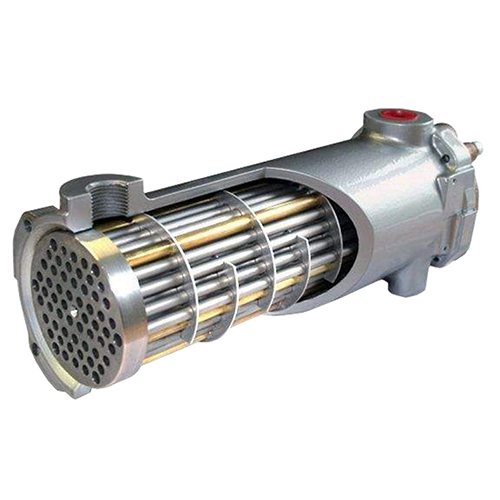
Marine Heat Exchanger Construction and Components
Marine Heat Exchangers are constructed to suit the thermal, mechanical, and environmental conditions of marine service.
Typical components can include:
- Heat transfer tubes
- Tube sheets or headers
- Shell or casing where applicable
- Cooling-water inlet and outlet connections
- Process-fluid inlet and outlet connections
- Baffles or flow-directing components where required
- Supports and mounting arrangements
- Gaskets and sealing components where applicable
- Drain and vent connections where required
Tube material, tube diameter, tube length, number of tubes, heat transfer area, connection arrangement, and overall dimensions can be selected according to the application.
Types of Marine Heat Exchangers
Different heat exchanger configurations can be used depending on the marine equipment and cooling requirement.
Shell and Tube Marine Heat Exchangers
Shell and tube configurations provide separate flow paths for the process fluid and cooling medium. They can be designed for engine cooling, oil cooling, and other marine heat transfer duties.
Tube Bundle Marine Heat Exchangers
Tube bundle arrangements can provide a practical heat transfer solution for selected marine systems. The bundle configuration can be customized according to heat duty, fluid conditions, and available space.
Customized Marine Cooling Systems
Special heat exchanger configurations can be developed for specific vessel layouts, machinery requirements, cooling-medium conditions, and installation constraints.
Key Marine Heat Exchanger Selection Factors
Proper selection is important for achieving reliable cooling performance in marine service.
Important factors include:
- Required heat duty
- Engine or equipment type
- Fluid flow rates
- Cooling-medium flow rate
- Inlet and outlet temperatures
- Cooling-medium temperature
- Operating and design pressure
- Allowable pressure drop
- Fluid properties
- Seawater or freshwater service
- Corrosion requirements
- Material compatibility
- Fouling conditions
- Available installation space
- Connection requirements
- Cleaning and maintenance access
The final heat exchanger configuration should be selected according to actual operating conditions and equipment specifications.
Advantages of Marine Heat Exchangers
Marine Heat Exchangers can provide several benefits for suitable marine cooling applications:
- Efficient indirect heat transfer
- Separation of engine and cooling fluids
- Suitable for freshwater and seawater cooling systems where compatible
- Can support engine temperature control
- Suitable for oil and fluid cooling duties
- Compact configurations can be developed for limited spaces
- Flexible tube and material options
- Customizable according to marine equipment requirements
- Suitable for various onboard cooling applications
Actual performance and service life depend on heat exchanger design, materials, fluid conditions, maintenance, and operating environment.
Marine Heat Exchanger Problems, Repair and Maintenance
Marine Heat Exchangers operate in demanding environments and require suitable inspection and maintenance to maintain cooling performance.
Common Marine Heat Exchanger Problems
Common issues can include fouling, scaling, corrosion, tube blockage, leakage, gasket deterioration, reduced flow, and declining heat transfer performance.
Seawater service can require particular attention to corrosion, deposits, and marine fouling. Changes in pressure drop or outlet temperature can also indicate a developing heat exchanger problem.
Marine Heat Exchanger Repair
Repair requirements depend on the type and extent of damage. Inspection can help identify tube leakage, blocked passages, damaged sealing components, corrosion, or other issues.
Depending on the equipment condition, repair activities may include cleaning, tube replacement, sealing-component replacement, repair of damaged components, or refurbishment of the heat exchanger.
Marine Heat Exchanger Maintenance
Regular inspection and cleaning can help maintain heat transfer performance. Maintenance requirements may include monitoring temperatures and pressure drop, checking for leakage, inspecting cooling passages, cleaning deposits, and verifying drainage and connection conditions.
The maintenance schedule should be established according to operating conditions, cooling-water quality, fouling tendency, and equipment service requirements.
Marine Heat Exchanger Applications
Marine Heat Exchangers can be used for cooling different fluids and systems onboard vessels and marine equipment.
Gear Oil Cooling
Heat exchangers can be used to remove heat from gear oil and help maintain suitable operating temperatures in marine transmission systems.
Fuel Cooling
Suitable heat exchanger configurations can be used for cooling fuel in marine fuel systems where temperature control is required.
Hydraulic Oil Cooling
Marine hydraulic systems can use heat exchangers to control hydraulic oil temperature during continuous equipment operation.
Lube Oil Cooling
Lubricating oil coolers help remove excess heat from engine or machinery lubrication systems and support suitable oil operating conditions.
Engine Cooling
Marine Heat Exchangers can be used in engine cooling systems to transfer heat from engine coolant to a suitable cooling medium.
Custom Marine Heat Exchanger Solutions
Heat Transfer Equipments Pvt. Ltd. provides customized Marine Heat Exchanger solutions based on specific equipment and vessel requirements.
Our engineering approach considers heat duty, fluid properties, flow rates, cooling-medium conditions, operating pressure and temperature, material compatibility, corrosion conditions, heat transfer area, connection requirements, available space, and maintenance access.
The heat exchanger configuration can be developed according to the required thermal performance and project-specific mechanical requirements.
Marine Heat Exchanger Manufacturing and Quality
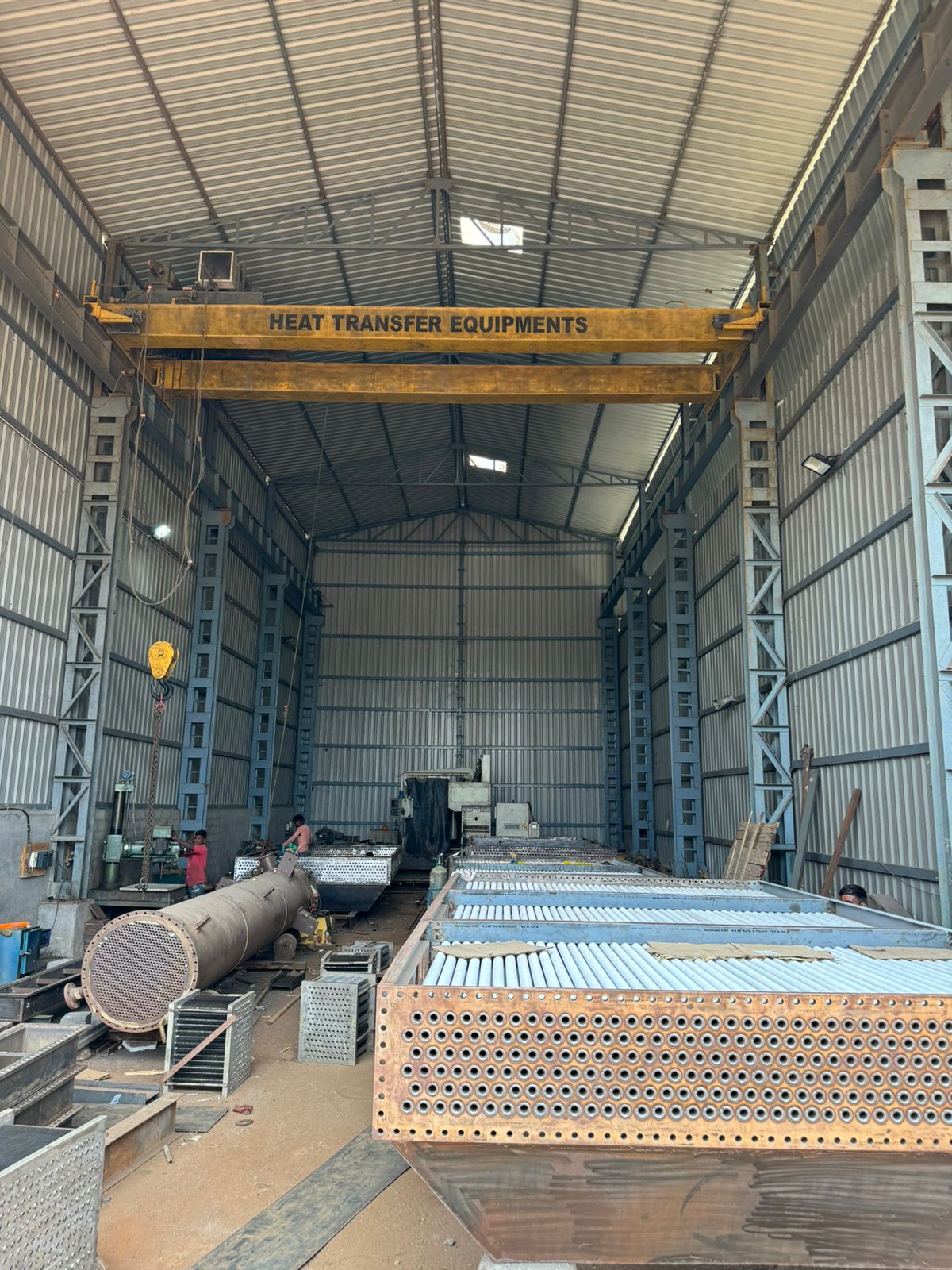
Heat Transfer Equipments Pvt. Ltd. focuses on manufacturing Marine Heat Exchangers according to application requirements, material specifications, dimensional requirements, and applicable project standards.
Application-Based Engineering
The heat exchanger configuration is selected according to equipment type, cooling duty, fluid conditions, flow rates, and marine service requirements.
Material Selection
Materials are selected according to fluid compatibility, temperature, pressure, corrosion conditions, seawater exposure, and expected service environment.
Customized Construction
Tube arrangements, heat transfer area, connections, dimensions, supports, and mounting details can be developed according to project requirements.
Inspection and Testing
Fabrication, inspection, and testing can be carried out according to applicable project specifications and quality requirements.
Project-Specific Technical Support
Technical discussions and equipment development are focused on the customer’s cooling requirements, vessel conditions, installation constraints, and maintenance needs.
Frequently Asked Questions
What Cooling Medium Can Be Used in a Marine Heat Exchanger?
Depending on the system design, seawater, freshwater, or another suitable cooling fluid can be used. The cooling medium should be compatible with the heat exchanger materials and operating conditions.
How Do I Select a Marine Heat Exchanger?
Selection depends on heat duty, fluid flow rates, inlet and outlet temperatures, cooling-medium conditions, operating pressure, allowable pressure drop, materials, corrosion conditions, and available installation space.
Can Marine Heat Exchangers Be Used for Oil Cooling?
Yes. Suitable configurations can be designed for gear oil, hydraulic oil, lubricating oil, and other compatible oil-cooling applications.
How Often Should a Marine Heat Exchanger Be Maintained?
Maintenance frequency depends on operating conditions, cooling-water quality, fouling tendency, corrosion exposure, and equipment usage. Regular inspection and performance monitoring can help determine the required maintenance interval.
Can You Manufacture Customized Marine Heat Exchangers in India?
Yes. Heat Transfer Equipments Pvt. Ltd. manufactures customized Marine Heat Exchangers in India according to thermal duty, materials, dimensions, operating conditions, connection requirements, and project specifications.
Request a Quote for a Marine Heat Exchanger
Looking for a reliable Marine Heat Exchanger manufacturer in India?
Share your heat duty, equipment or engine details, fluid flow rates, inlet and outlet temperatures, cooling-medium details, operating pressure, material requirements, allowable pressure drop, and available installation space with our engineering team.
Heat Transfer Equipments Pvt. Ltd. can provide a customized Marine Heat Exchanger solution based on your vessel, machinery, and process requirements.