Air-Cooled Heat Exchangers: How They Work and Why Industries Need Them
In industrial manufacturing, controlling the temperature of machinery, chemicals, and gases is vital. For decades, plants relied heavily on water-cooled systems like shell and tube heat exchangers connected to cooling towers. However, with rising water costs, strict environmental laws, and water scarcity issues, companies are shifting toward sustainable alternatives.
An Air-Cooled Heat Exchanger (ACHE), also known as a Fin-Fan Heat Exchanger, offers a smart solution by using natural ambient air instead of water to cool process fluids.
What is an Air-Cooled Heat Exchanger?
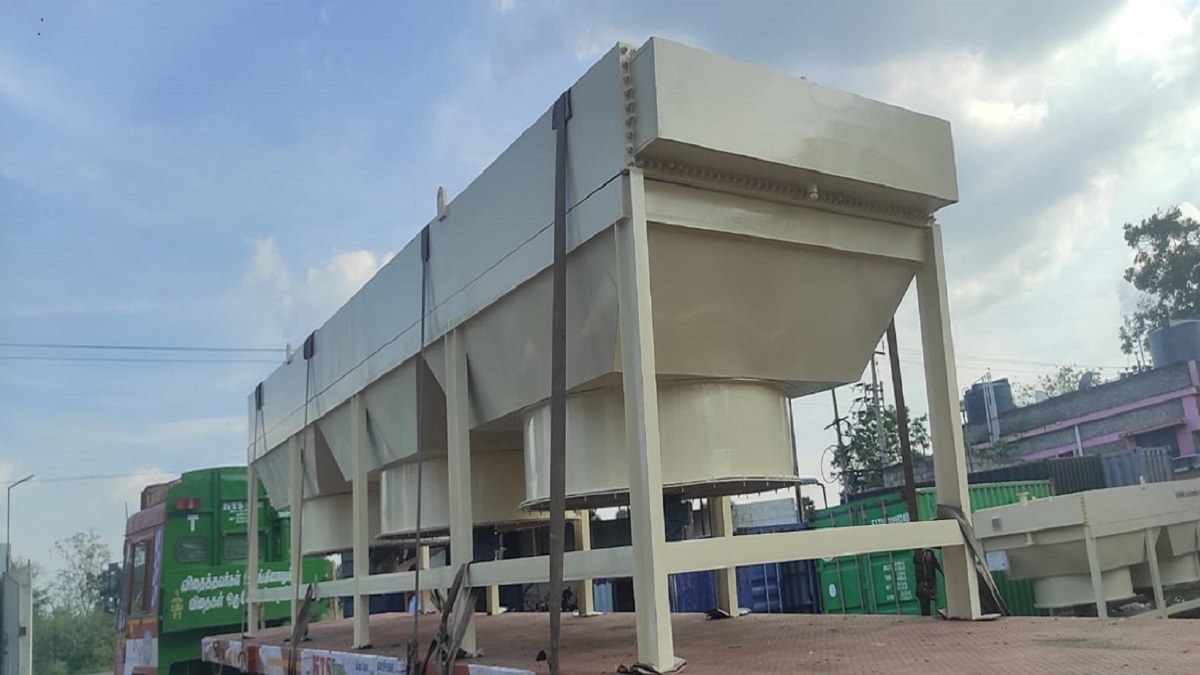
An air-cooled heat exchanger is an industrial cooling system that removes heat from a hot liquid or gas by blowing atmospheric air directly across it. Think of it like a giant version of a car radiator. The hot fluid stays securely inside a closed loop of tubes, while large mechanical fans force air over those tubes to carry the heat away into the atmosphere.
Because the process fluid and the cooling air never touch, it provides a clean, closed-loop cooling system that protects sensitive industrial equipment.
How Does a Fin-Fan Heat Exchanger Work?
The working principle of an air-cooled system relies on three simple thermodynamic steps:
- Fluid Entry: The hot process fluid from the factory floor enters the unit through an inlet header box, which distributes the fluid evenly into a bundle of parallel metal tubes.
- Heat Dissipation via Fins: Air does not absorb heat as quickly as water. To fix this, thin aluminium sheets called fins are wrapped tightly around the outside of the tubes. These fins multiply the outer surface area by 10 to 20 times, allowing heat to escape the metal walls much faster.
- Forced Convection: Large, motor-driven axial fans move massive volumes of ambient air directly over the finned tubes. The cross-flowing air absorbs the heat through forced convection and vents it safely upward into the sky. The cooled fluid then exits the system, ready to be reused in the factory line.
Types of Mechanical Air Arrangements
When installing an air-cooled cooling system, you have two primary design options depending on how air is moved through the unit:
Forced Draft Systems
In a forced draft setup, the fans are positioned below the tube bundles. They push cold ambient air upward through the fins.
* The Benefit: The fans and electrical motors stay cool because they handle inlet air, making them much easier to maintain at ground level.
Induced Draft Systems
In an induced draft setup, the fans are mounted on top of the tube bundles. They pull air upward through the bottom and discharge it at a high velocity out the top.
* The Benefit: Because the hot air is blown high into the sky, it eliminates the risk of “hot air recirculation” (where the fan accidentally sucks the same hot exhaust air back into the system).
Core Benefits for Modern Industrial Plants
| Key Benefit | How It Helps Your Plant |
| Zero Water Consumption | Eliminates the need for a continuous water supply, water treatment chemicals, and expensive disposal fees. |
| Lower Operational Costs | No water pumps to maintain, no scaling or biological growth on the outside of tubes, and minimal water utility bills. |
| Location Flexibility | Ideal for remote, arid, or water-scarce industrial zones where building a wet cooling infrastructure is impossible. |
| Environmental Compliance | Helps plants satisfy strict local green regulations regarding water conservation and environmental thermal pollution. |
Essential Selection Parameters
To choose the right air-cooled unit for your facility, your engineering partner must evaluate:
* Design Ambient Temperature: The maximum summer dry-bulb temperature at your factory site.
* Tube Metallurgy: Using high-grade carbon steel or corrosion-resistant stainless steel depending on the chemical properties of your process fluid
* Industrial Codes: Ensuring the structural header boxes meet safety regulations like ASME Section VIII or API 661 standards for high-pressure systems.
Partner with HTEPL Coimbatore
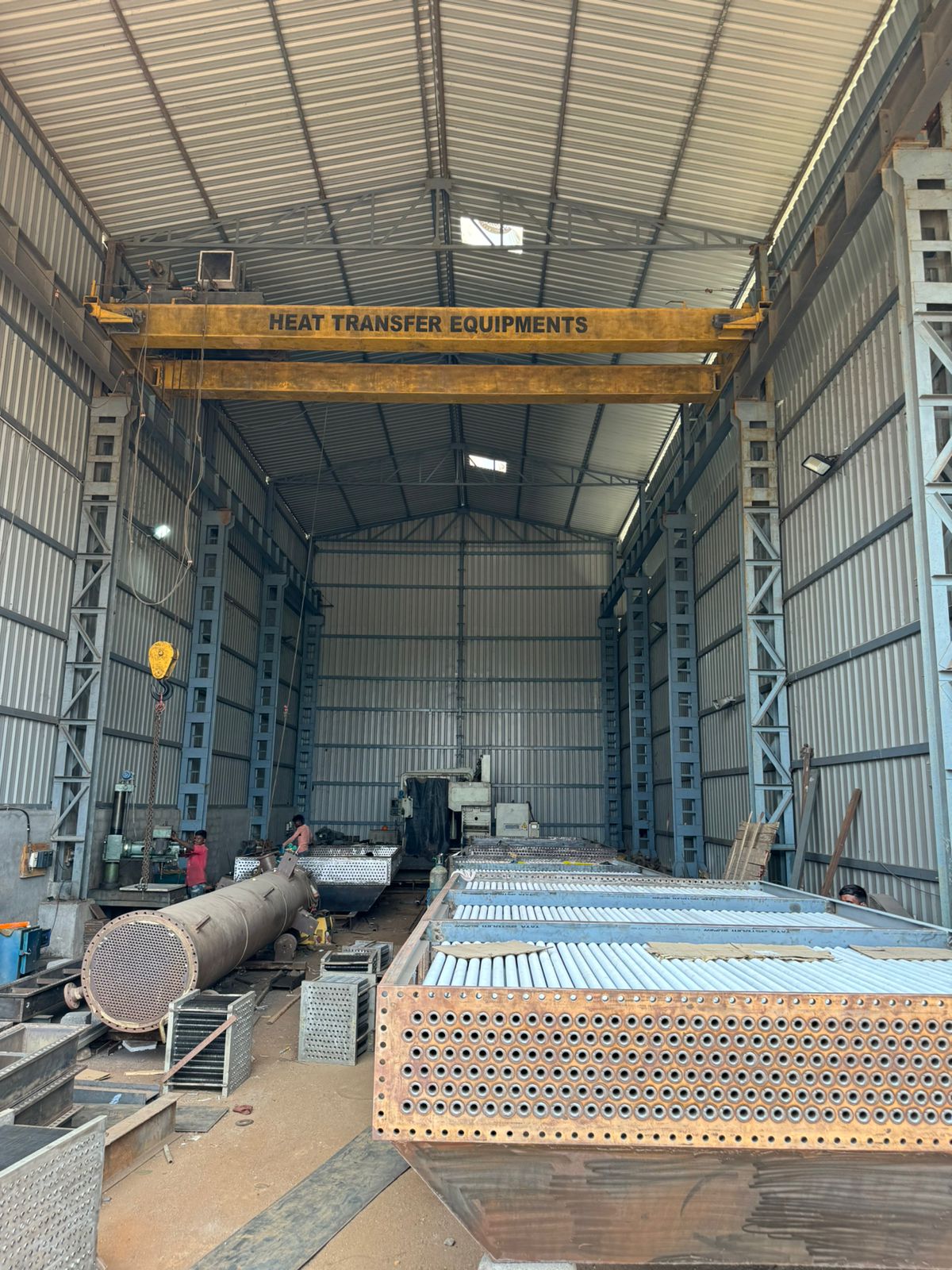
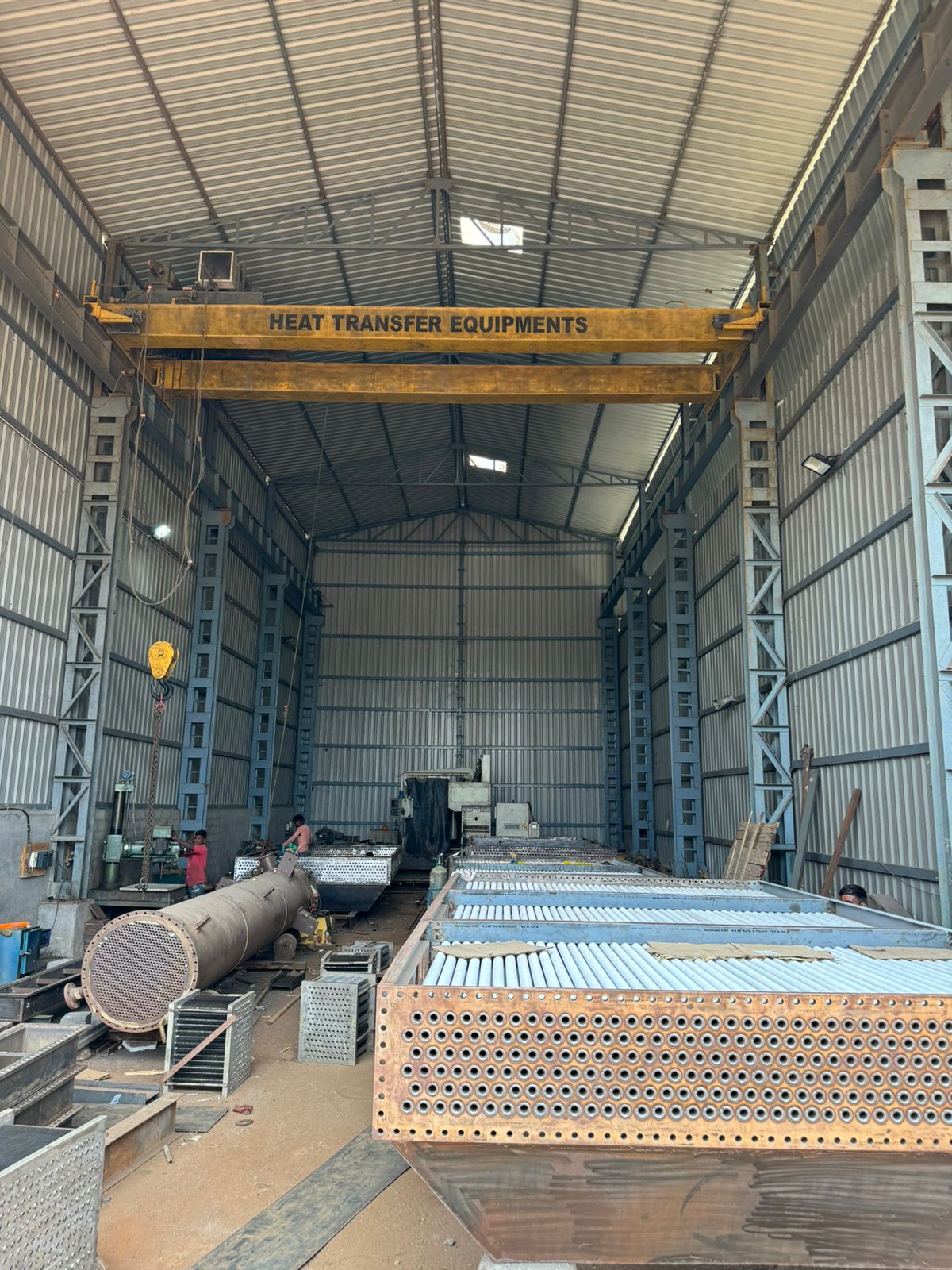
Choosing the perfect thermal setup ensures long-term operational efficiency and prevents unexpected plant shutdowns. At Heat Transfer Equipments Pvt Ltd (HTEPL) based in Coimbatore, Tamil Nadu, we specialize in designing and manufacturing high-durability Air-Cooled Heat Exchangers customized for the chemical, power generation, oil and gas, and manufacturing sectors. Contact our engineering desk today to calculate the ideal thermal design for your next project.